Minimal · The nail edit
18 Quiet Luxury Nails for a Minimalist Look
Quiet luxury nails are easiest to choose by coverage, undertone, and finish. A sheer pink leaves the natural nail visible; an opaque beige creates a...
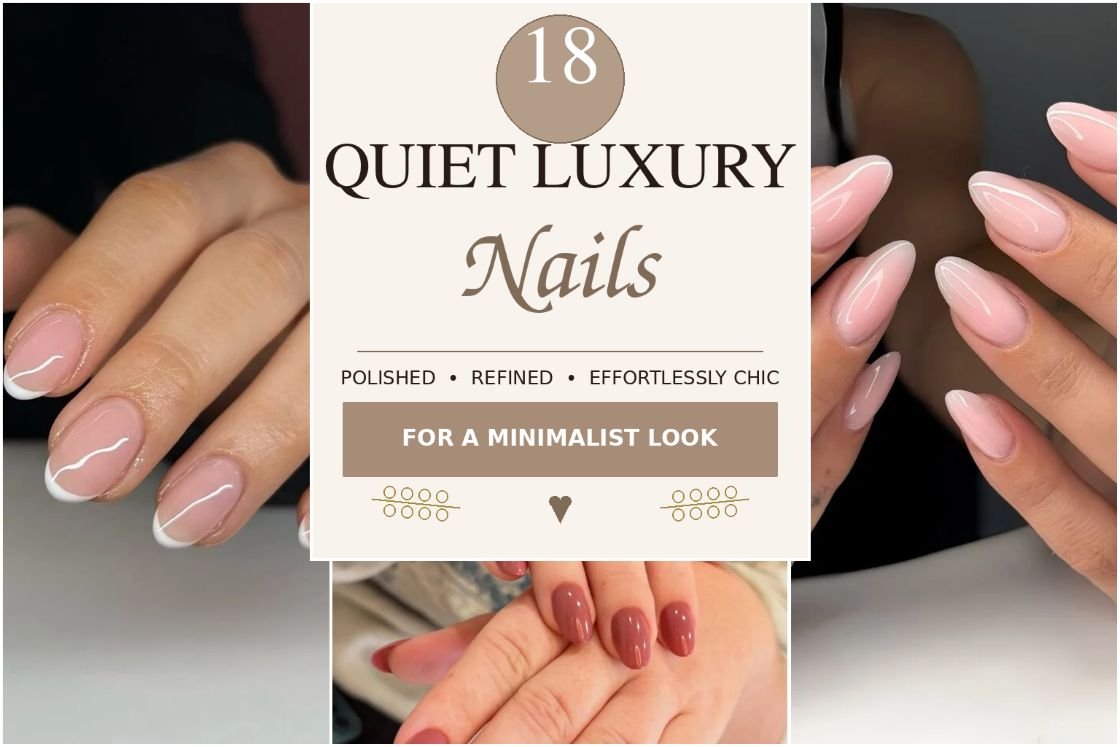
Quiet luxury nails are easiest to choose by coverage, undertone, and finish. A sheer pink leaves the natural nail visible; an opaque beige creates a solid color; a narrow French tip adds a defined edge. Those differences matter more than an expensive-sounding shade name.
These 18 references include closely related variations, not 18 different techniques. Use the notes to compare what you would actually ask for at an appointment or recreate with regular polish. The focus here is restrained, mostly neutral manicures; a glossy appearance is a cosmetic finish, not evidence of nail health.
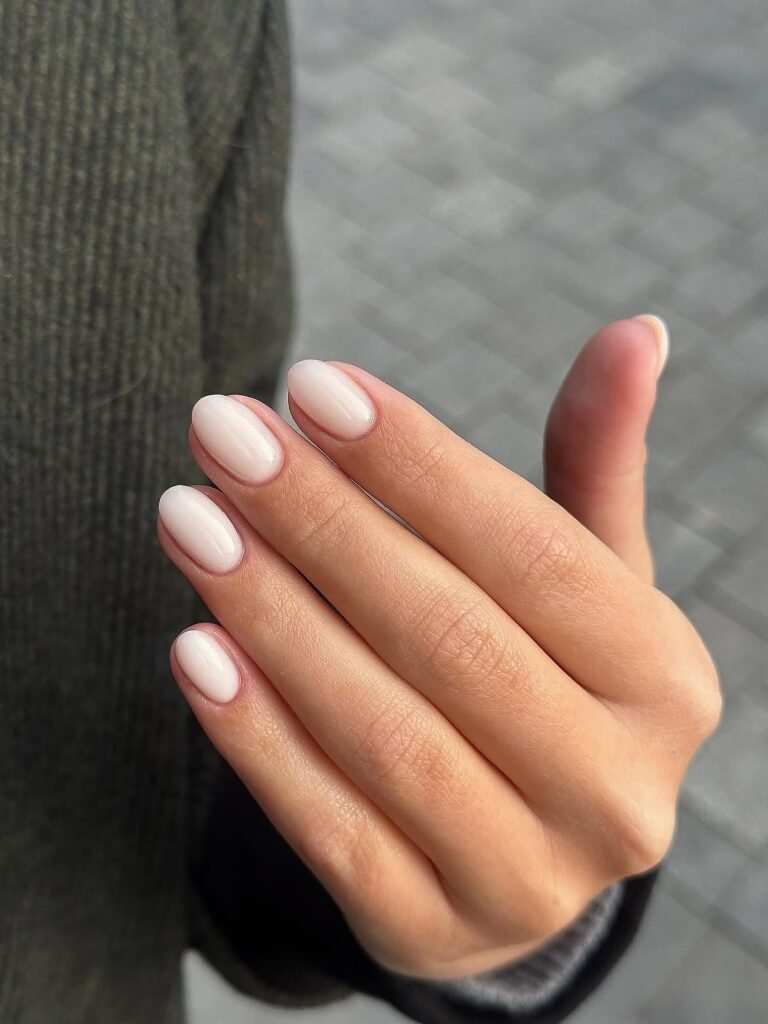
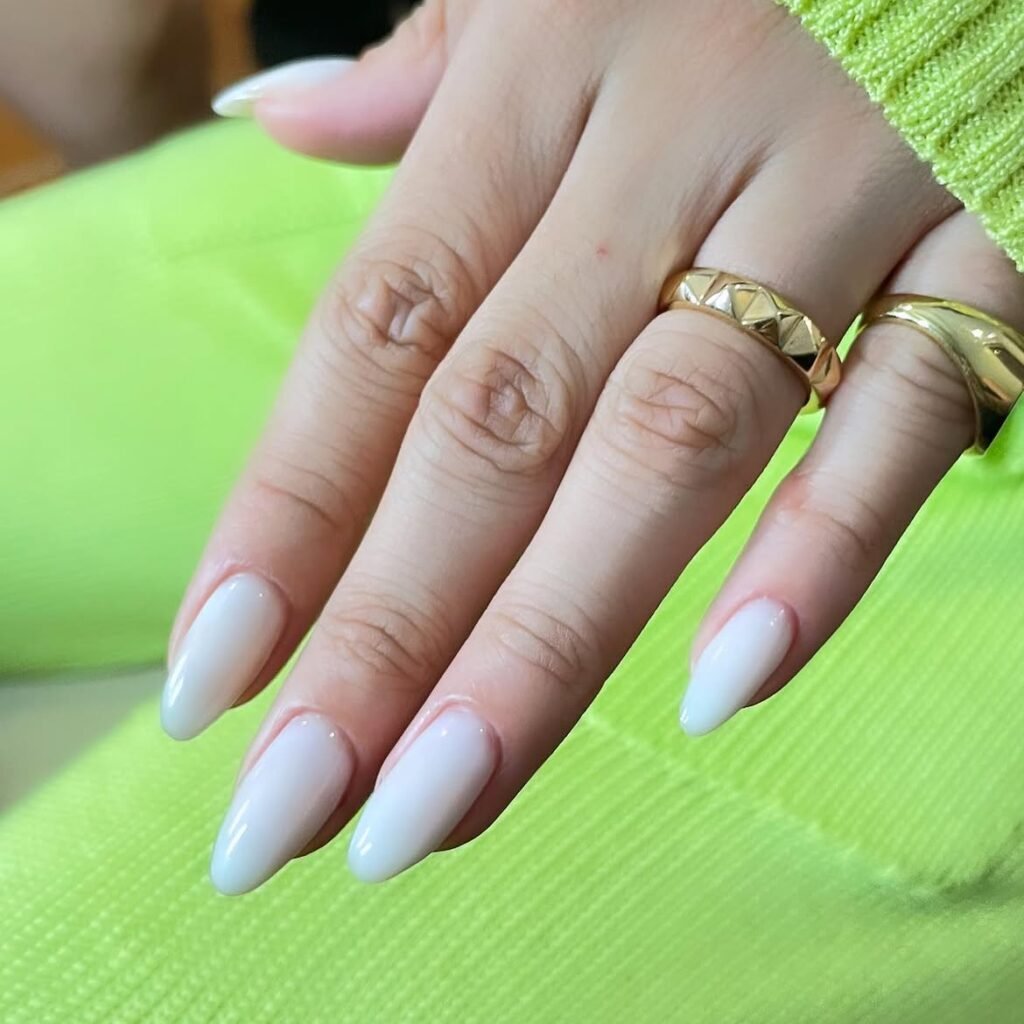
1. Milky White Gloss Nails
Milky white leaves a soft veil of white rather than an opaque painted surface. Choose it if you want a lighter manicure while allowing some of the natural nail and free edge to remain visible.
Ask to see the intended number of coats on a swatch. If the result becomes too white, choose a sheerer formula instead of repeatedly thinning or reworking the same coat. Compare it beside vanilla cream below if you prefer a warmer white.
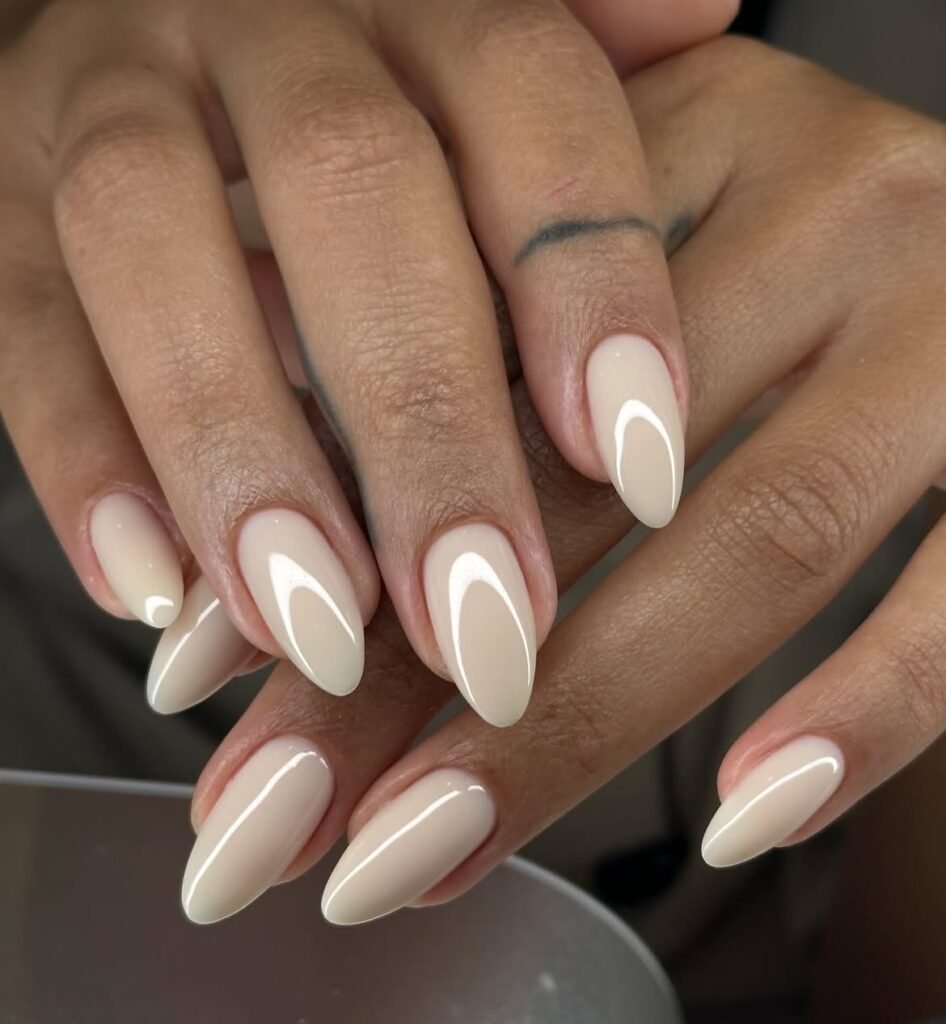
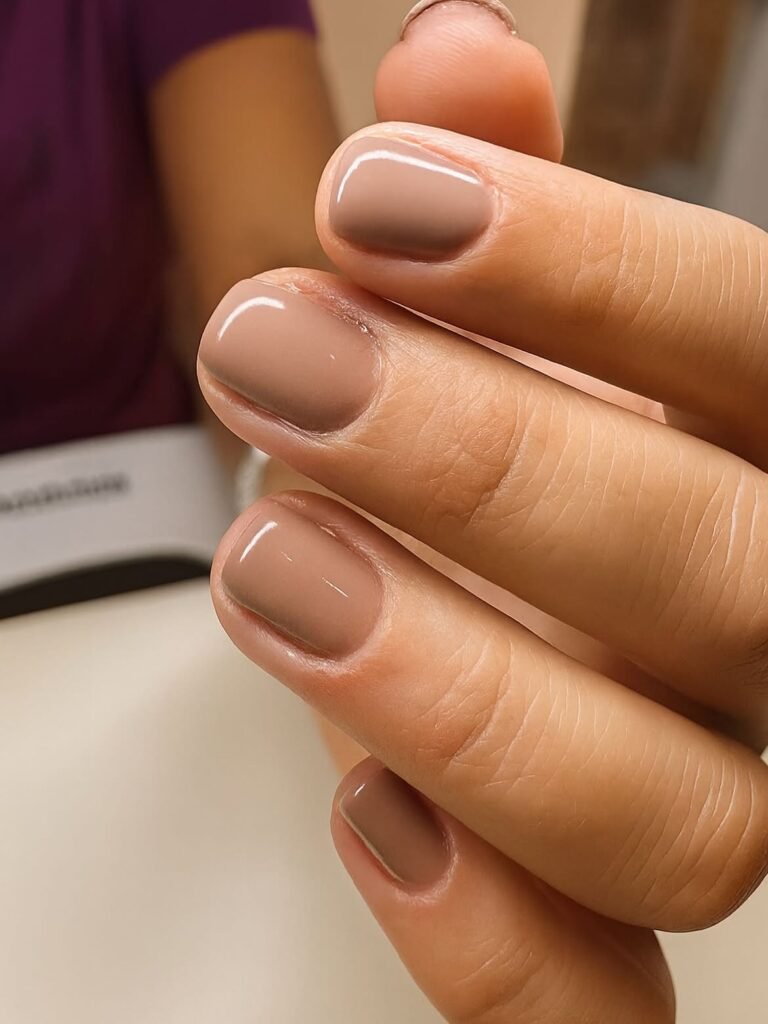
2. Soft Beige Nude Nails
Beige gives more coverage than a sheer pink, so the undertone is easier to notice. A yellow-beige, pink-beige, and gray-beige can look quite different beside the same hand even if each bottle is labelled nude.
Compare two or three finished swatches in daylight. Decide whether you want the polish to blend with your skin or create contrast; there is no single beige that suits everyone in the same way.
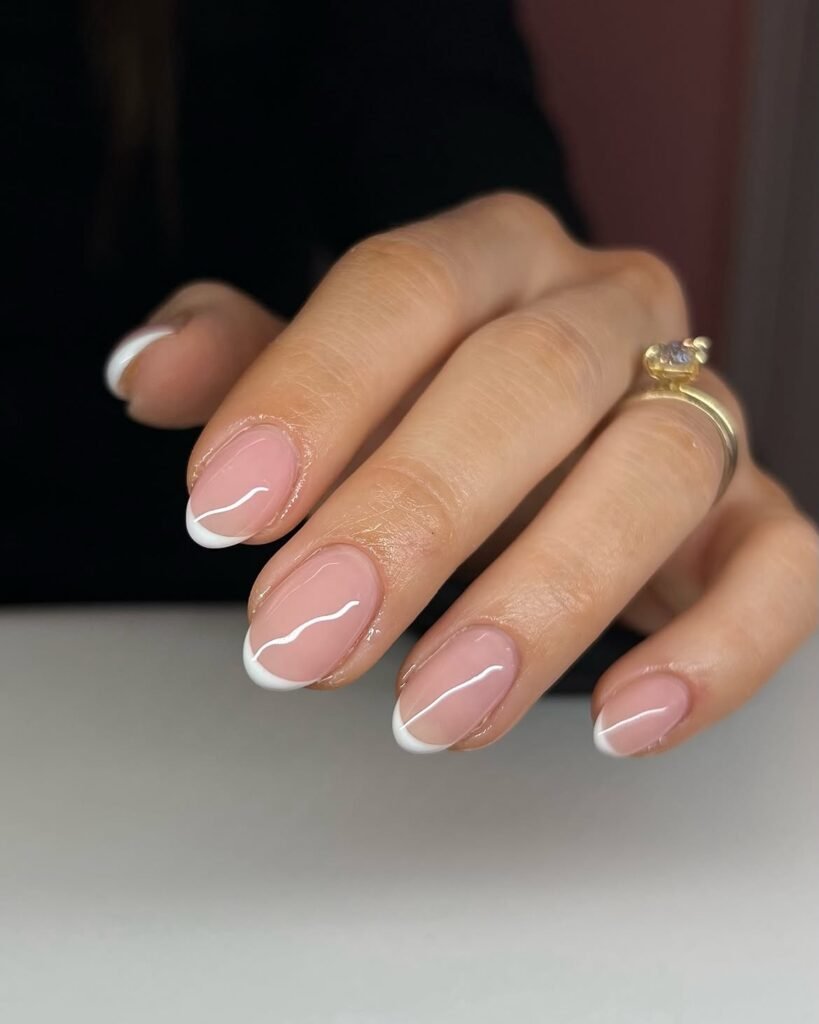
3. Micro French Tip Nails
A micro French uses a narrow white line along the free edge over a sheer base. The visible base is the main part of the manicure, so the tip should be scaled to the nail rather than copied at a fixed width.
For short nails, start with the thinnest line you can paint consistently. At the salon, ask to approve one tip before the whole hand is completed. If the white band dominates, narrow it rather than adding more base color.
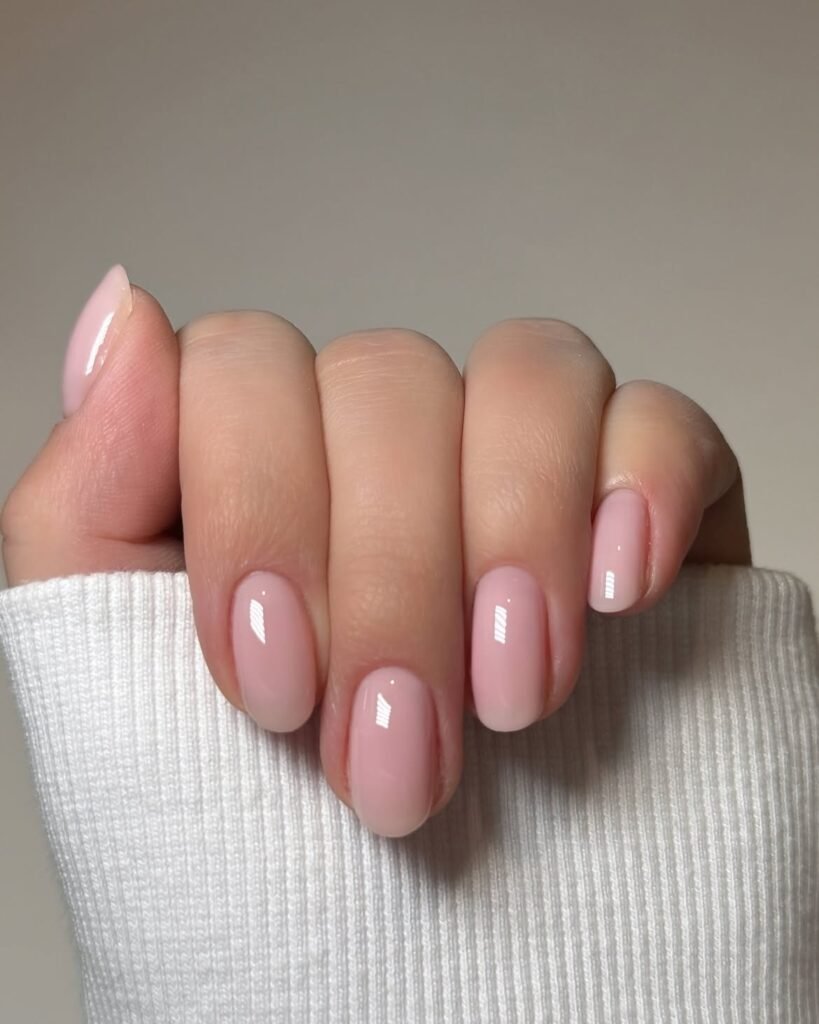
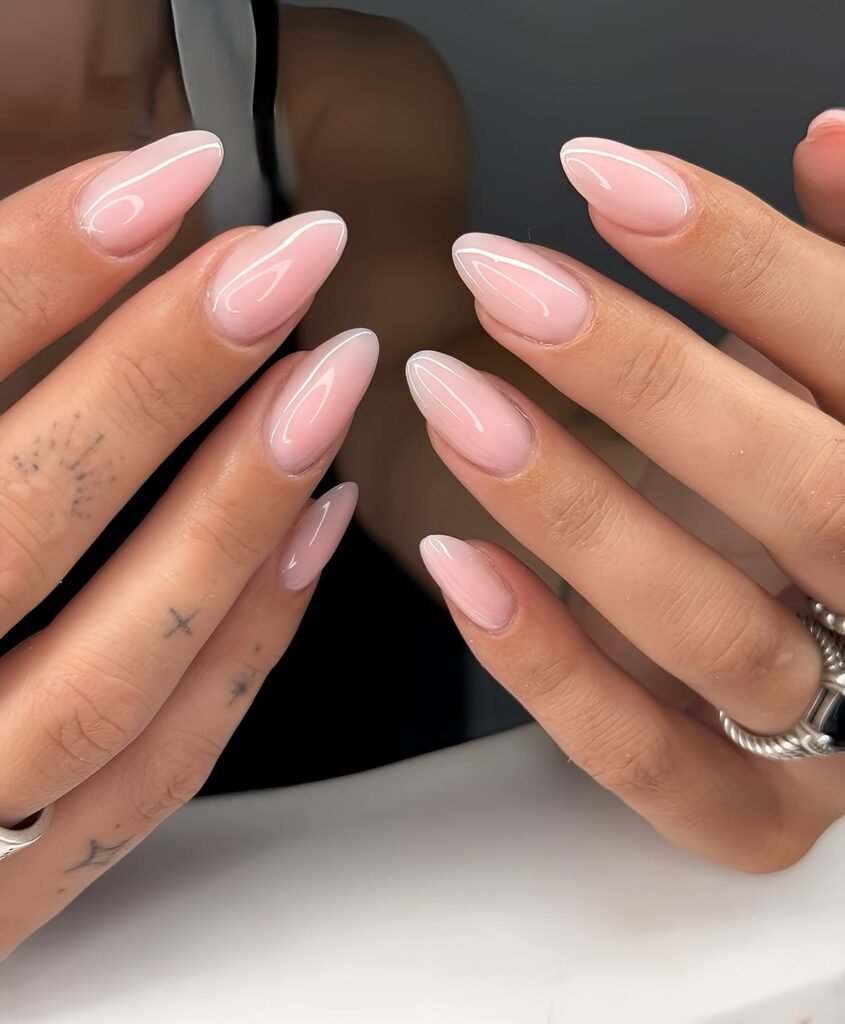
4. Sheer Pink Lip Gloss Nails
Lip-gloss nails are a sheer pink manicure with a shiny surface. They differ from milky white mainly in the tint and amount of natural nail visible, not in a special application technique.
Choose this option if you like seeing your natural free-edge line. If that line bothers you, ask for slightly more coverage and check the result first; a fully opaque pink will no longer have the same transparent effect.
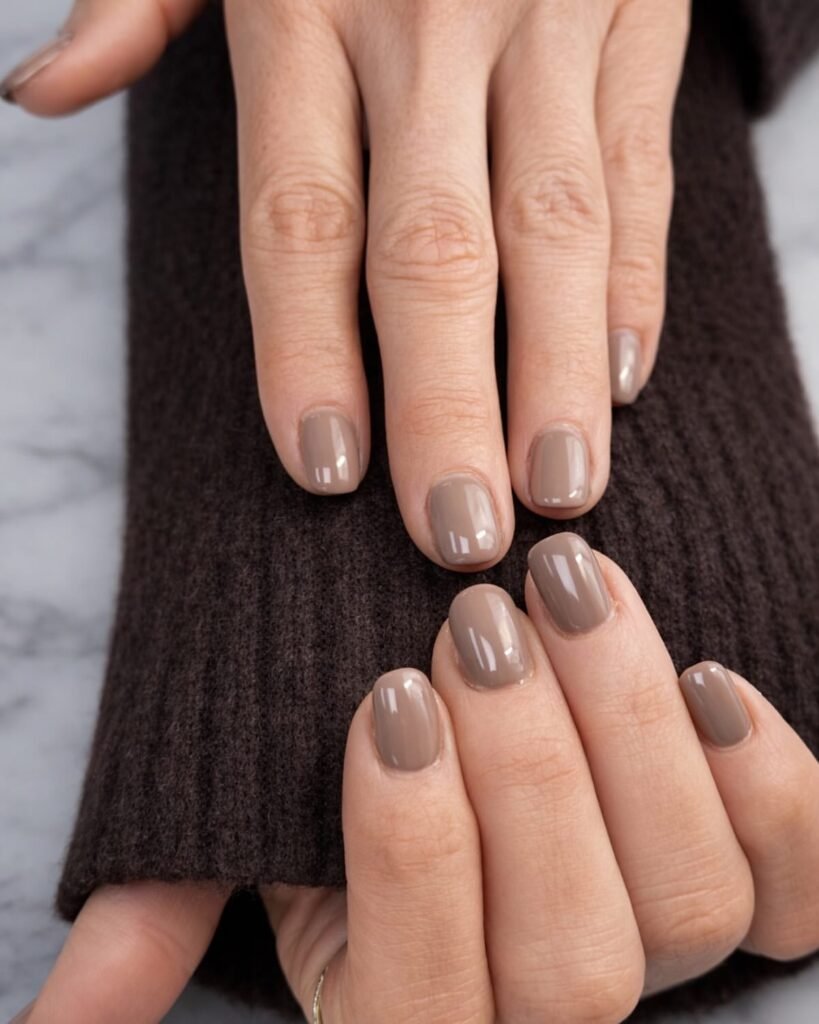
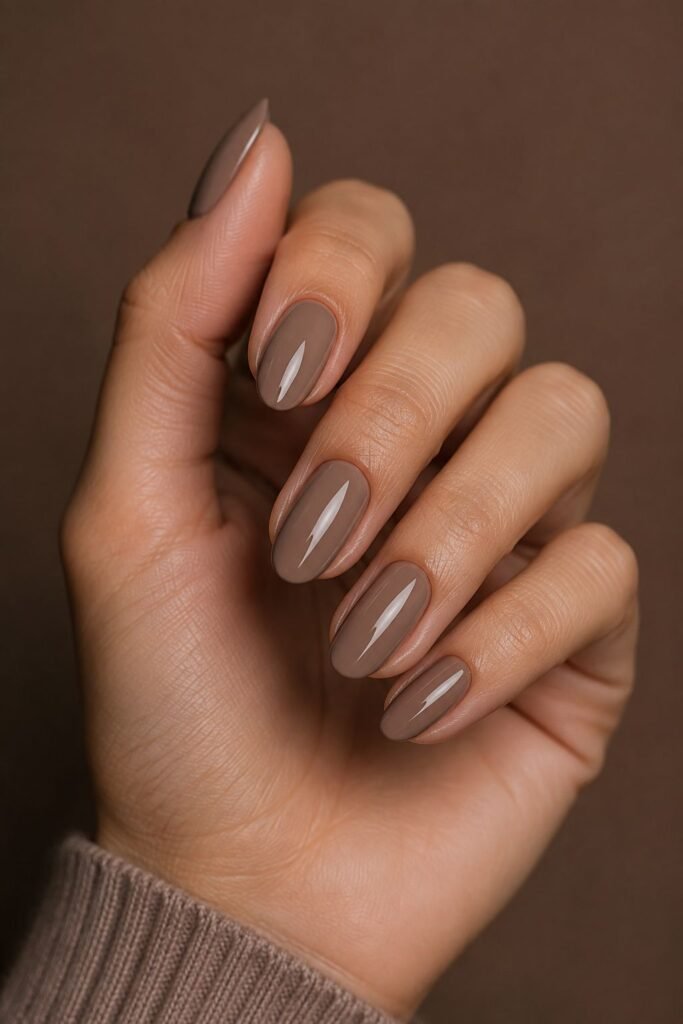
5. Soft Taupe Nails
Taupe introduces muted brown-gray rather than a pink or creamy beige cast. It gives a more defined block of color than the sheer options while keeping the palette neutral.
Compare taupe with pale greige at the same opacity. If one looks too gray beside your hand, try a warmer brown-leaning swatch. Changing the undertone is more useful than assuming a different marketing name will solve it.
6. Glossy Soap Nails
Soap nails describe a clean-looking, glossy finish over a clear or lightly tinted base. This overlaps with lip-gloss and glass nails; the practical choice is how much tint and coverage you want.
Show your technician a swatch or photo and specify clear, sheer pink, or sheer beige. Asking only for soap nails may produce different results at different salons. Keep the shape and the shine consistent across the set.
7. Vanilla Cream Nails
Vanilla cream is a warm ivory alternative to stark white. It is useful when you want a light solid color rather than the translucent finish of milky white.
Check it beside a true white swatch to see how yellow it leans. With regular lacquer, build coverage in thin coats as directed instead of using one heavy coat to hide streaks.
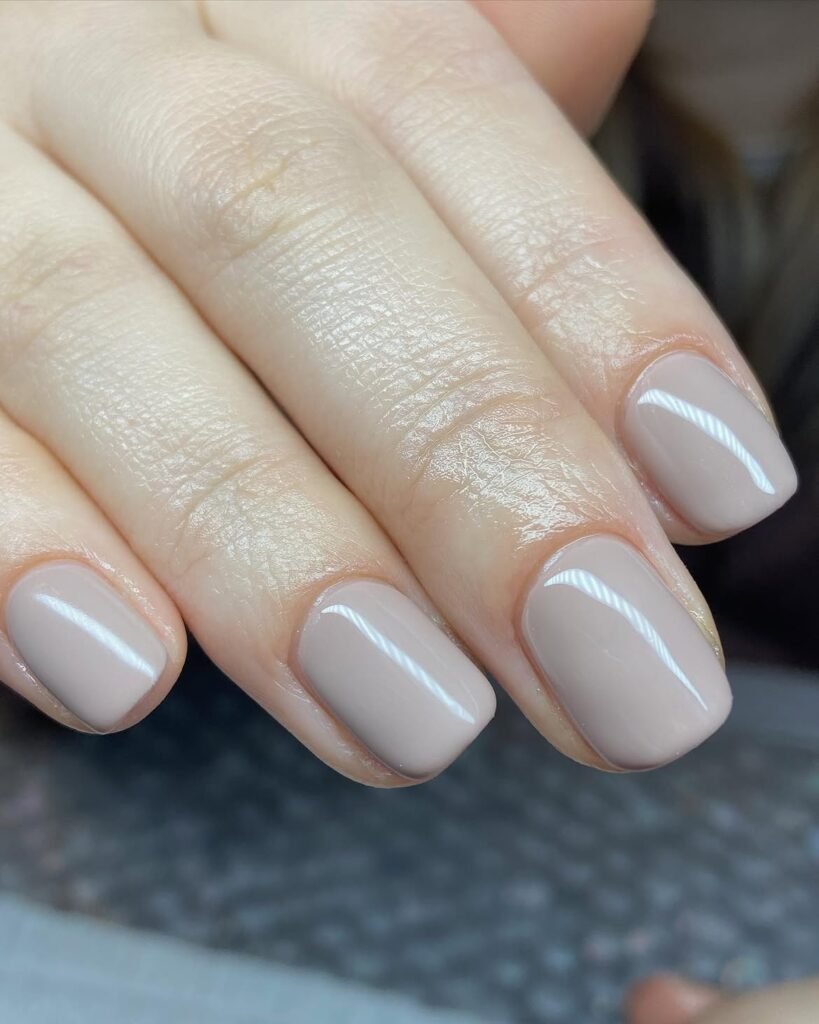
8. Pale Greige Nails
Pale greige sits between beige and gray. Compared with warm vanilla or peach, it gives a cooler, more muted impression without introducing obvious nail art.
View it in daylight and under the indoor lighting where you will wear it. If it looks flat to you, compare a slightly warmer beige at the same depth before switching to a brighter or darker color.
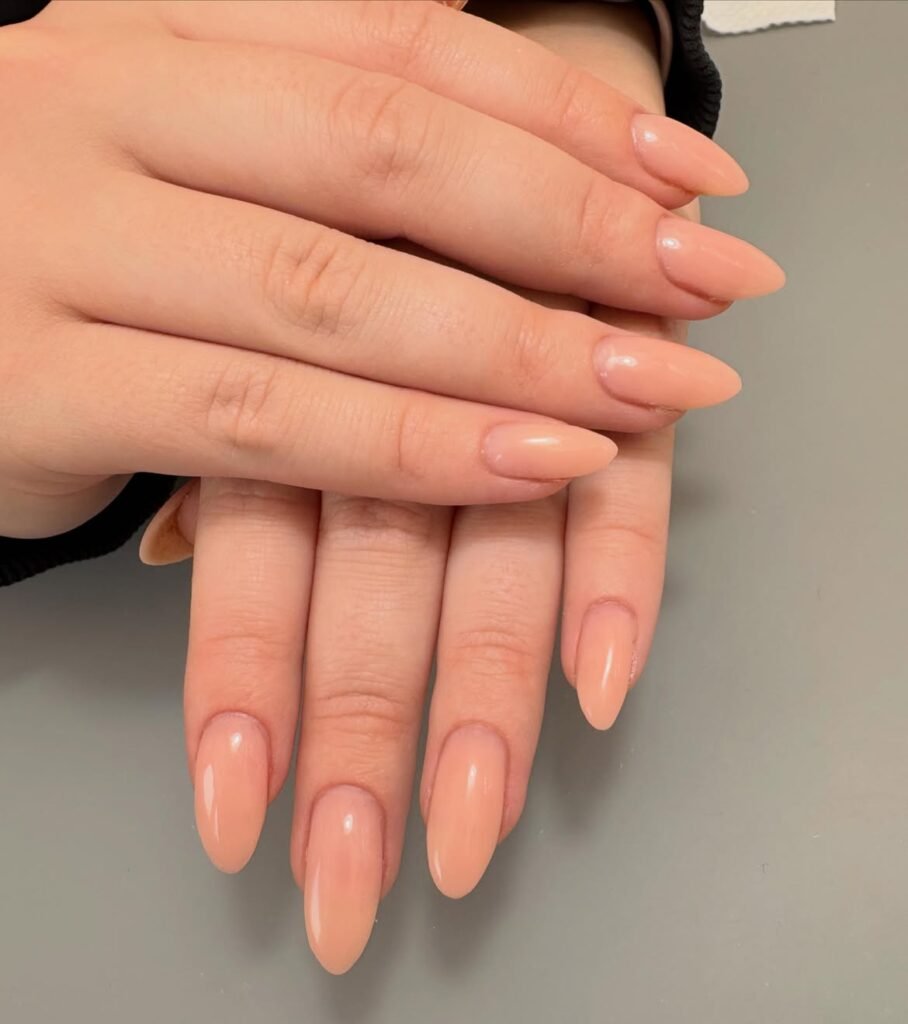
9. Soft Peach Nude Nails
Peach nude adds warmth through a pink-orange tint. The result can be subtle when sheer or more visibly peach when opaque, so coverage needs to be part of the brief.
Compare it directly with rosy nude if you are undecided. Choose the swatch you prefer beside your hand rather than relying on a rule that a particular undertone must wear a particular color.
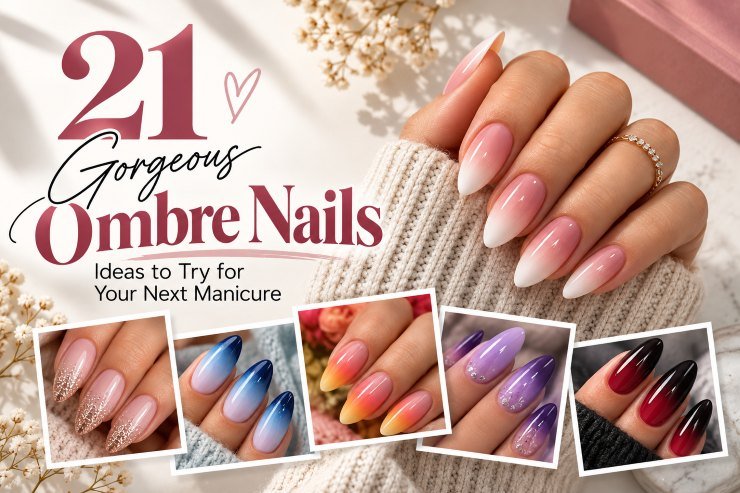
10. Barely-There Ombré Nails
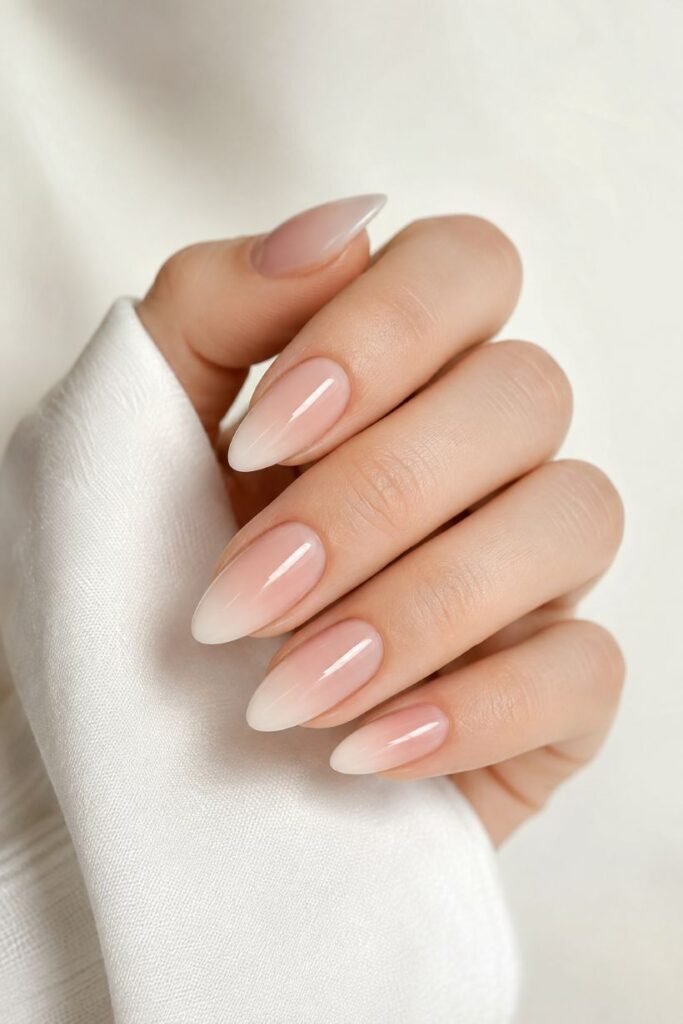
A soft pink-to-white ombré replaces the crisp French line with a blurred transition. It is a different placement technique from an all-over milky polish, even when both look subtle from a distance.
Ask where the white should start and how much pink should remain. On a short nail, keeping the transition compact prevents the entire surface from becoming white. A reference of your preferred fade is more useful than requesting a generic baby-boomer finish.
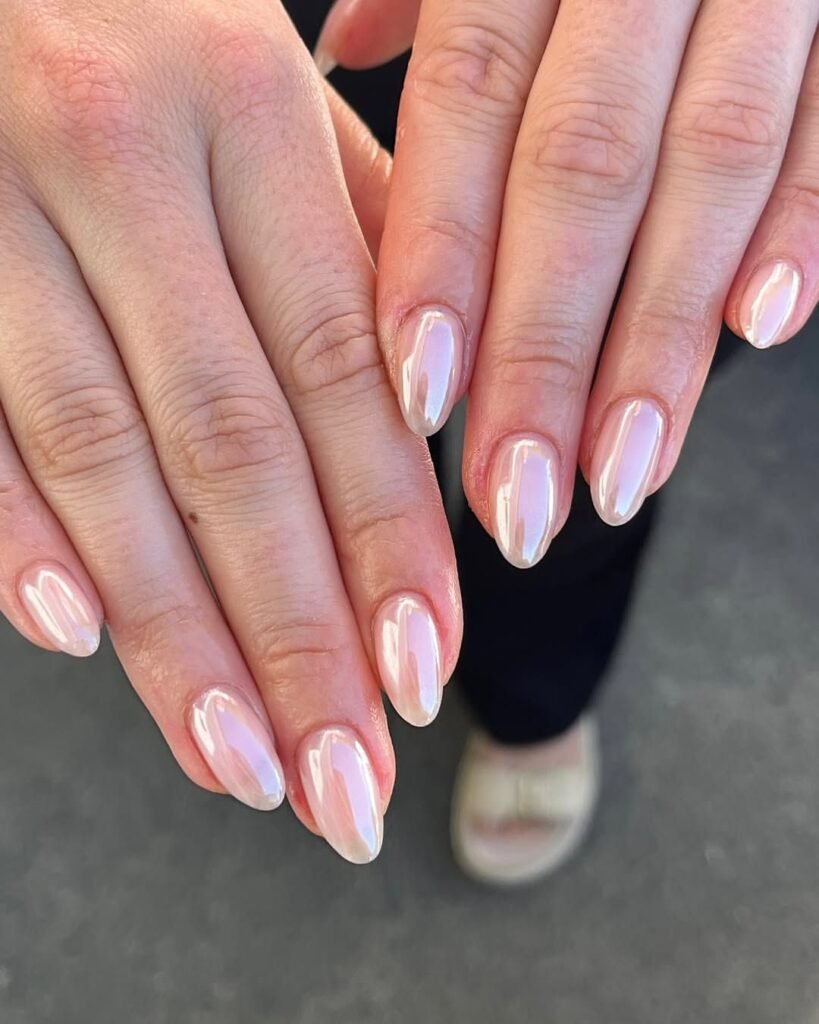
11. Pearl Chrome Nails
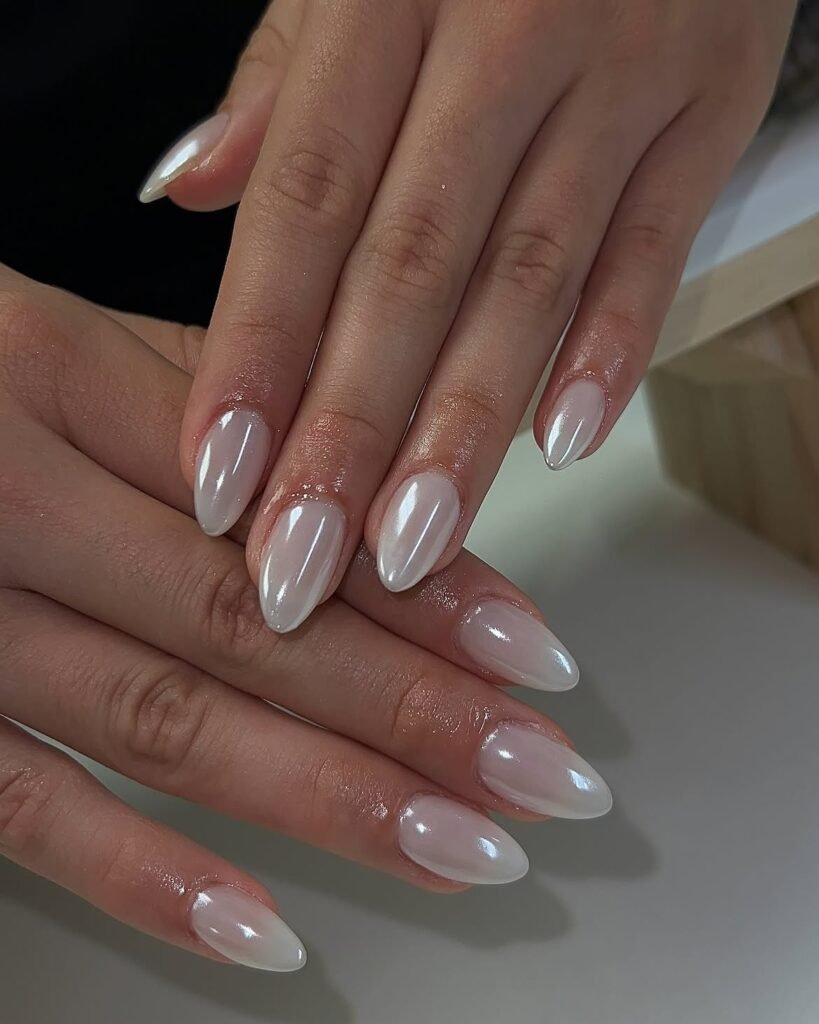
Pearl chrome adds a shifting reflection over a neutral base. Check the finish as you tilt the swatch: the reflected color can change how warm or cool the base appears.
A pearlescent lacquer topper is a simpler home alternative, but it may not reproduce a rubbed chrome powder exactly. For powder chrome, ask the salon to use its compatible product sequence and show you the final effect over your chosen base.
12. Cashmere Nude Nails
Cashmere nude is a descriptive name for a soft beige-taupe shade, not a standardized product or a velvet texture. A glossy top coat still gives it a shiny surface.
Treat this as a swatch variation of beige and taupe rather than a separate technique. Ask for the warmth and depth shown in your reference; the word cashmere alone does not specify a color.
13. Soft Mocha Nails
Soft mocha adds more brown depth than a pale beige. Depending on the selected shade and your skin tone, it may blend with your hand or create a distinct contrast.
Compare it with latte at equal coverage. For a restrained result, keep the finish uniform and leave out an accent unless you specifically want one; a deeper neutral does not need decoration to be a complete manicure.
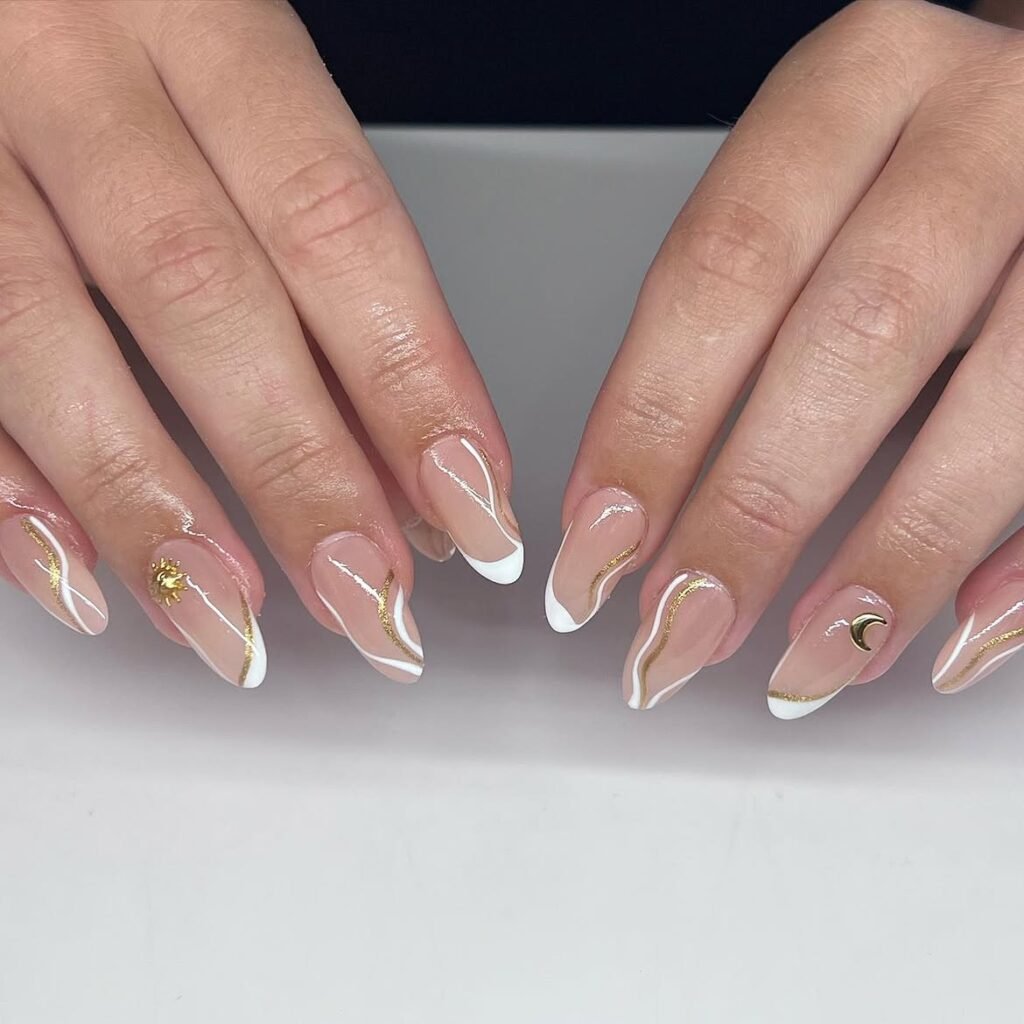
14. Minimalist Gold Line Nails
A fine gold line adds one graphic detail to a neutral base. The useful decisions are its direction, width, and how many nails carry it.
For a quieter version, try the stripe on one accent nail per hand. Painted metallic polish stays flatter than a raised strip or charm; ask for a finished sample if snagging or surface texture matters to you.
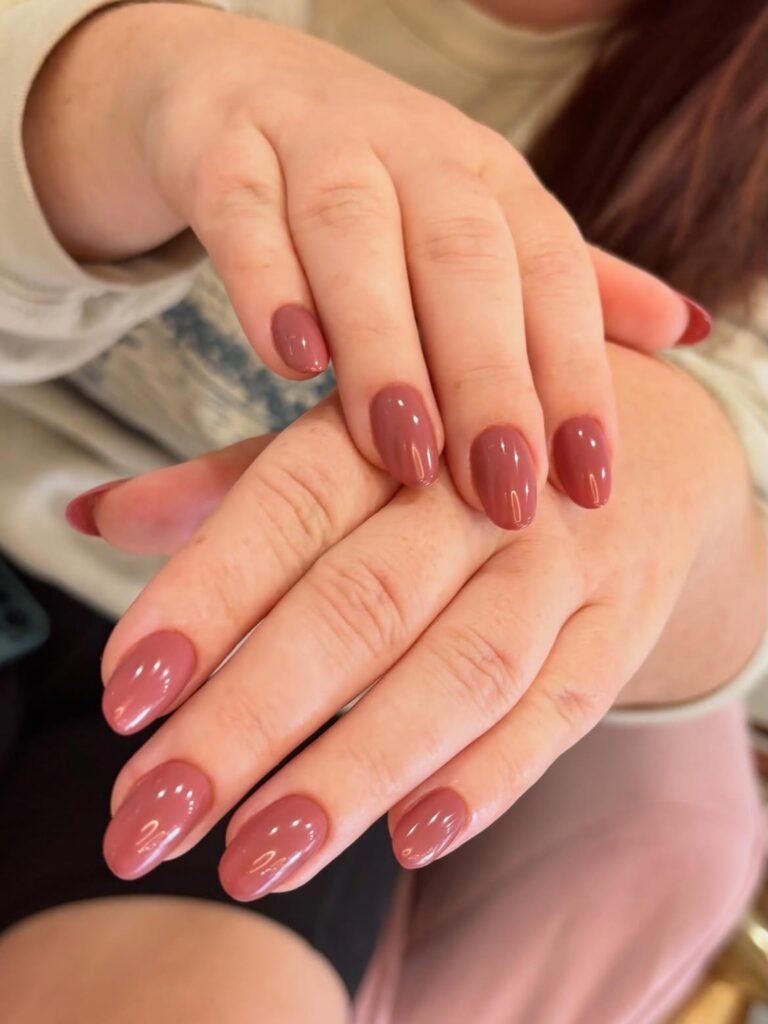
15. Rosy Nude Nails
Rosy nude leans pink rather than peach or yellow-beige. It can be sheer enough to show the natural nail or creamy enough to conceal it.
Avoid choosing from the bottle alone. Request a finished swatch and decide how much pink you want to see; this shade family is an option to compare, not a promise of a universal match for every skin tone.
vlairnails
16. Creamy Latte Nails
Latte is a warm coffee-beige color reference. It overlaps with cashmere and mocha, so the meaningful difference is the actual depth and undertone of the selected polish.
Put the three swatches next to each other before deciding. If they look almost identical, choose one favorite rather than treating each name as a different manicure you need to book.
17. Clean Glass Nails
Glass nails in this restrained version mean a clear, reflective surface over a sheer base. They overlap with soap and lip-gloss nails and do not require a separate decoration.
Specify whether you want no tint, a pink tint, or a milky veil. A clear finish will leave natural color variation visible; use a tinted base if you prefer to soften that variation rather than expecting clear polish to hide it.
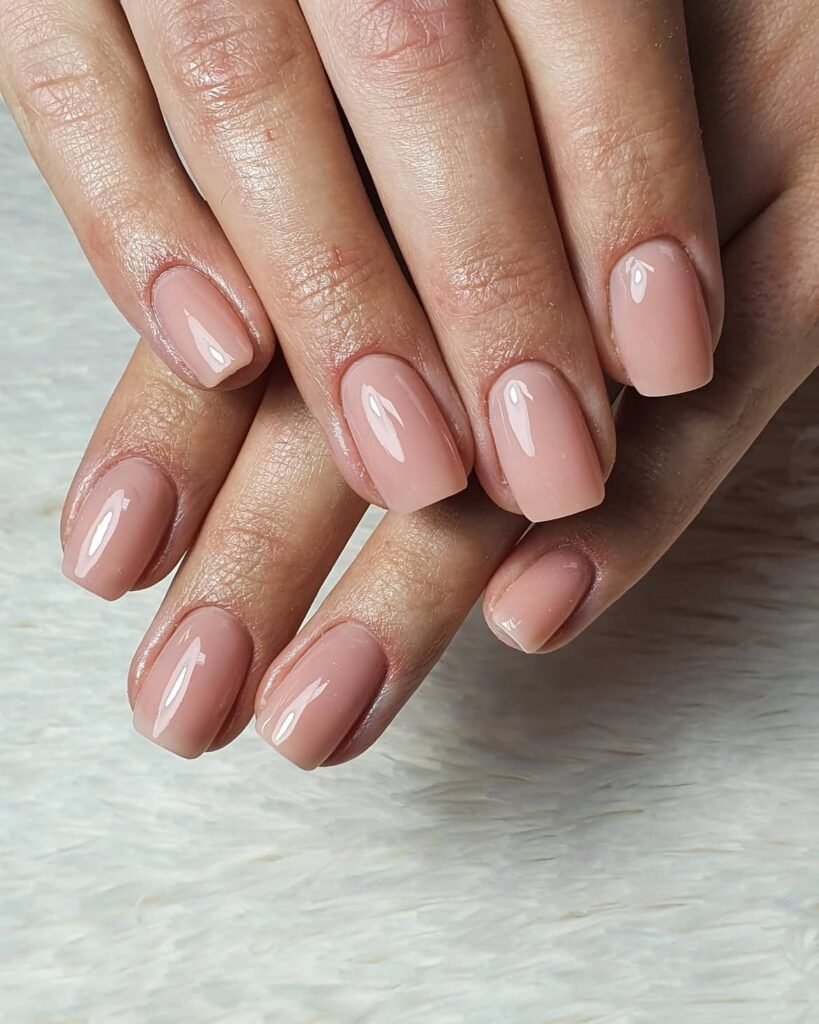
18. Elegant Short Nude Nails
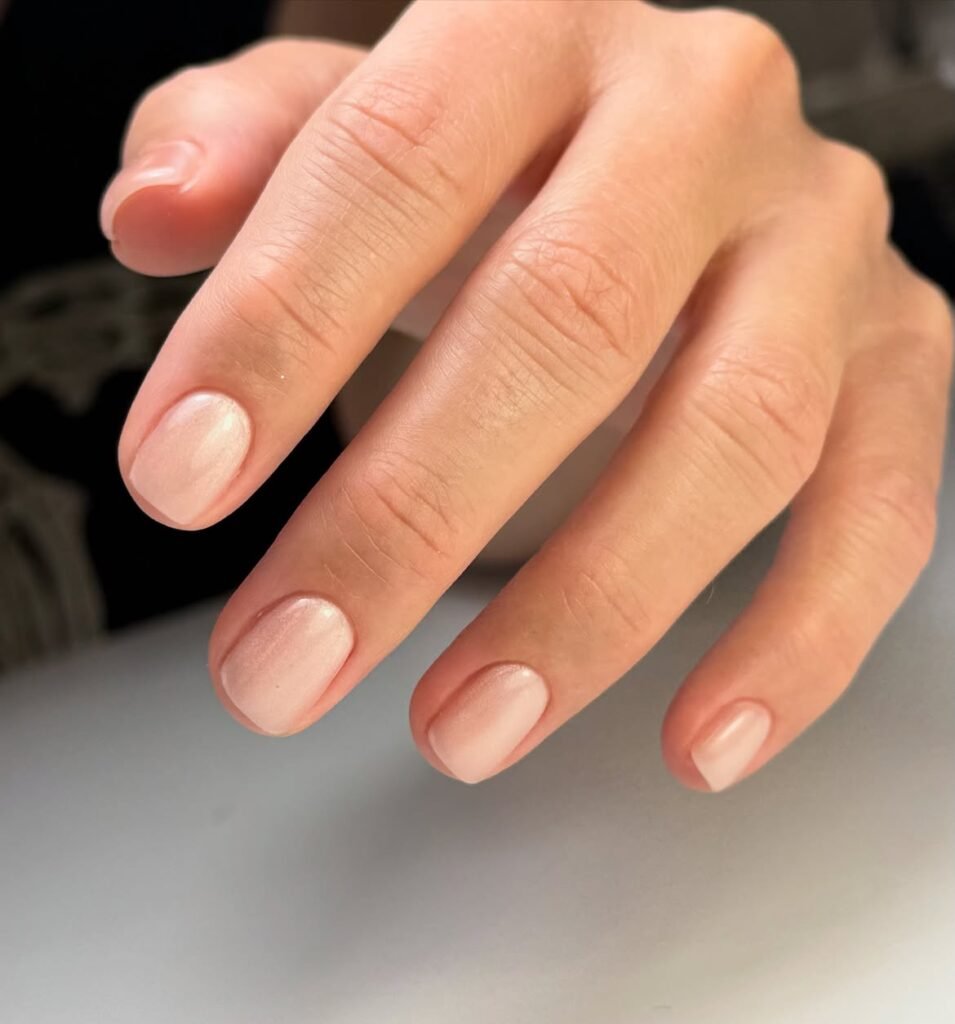
A short nude manicure prioritizes a comfortable length and a consistent outline. Choose a round, oval, or squoval edge that works with the length you already have; an extension is optional.
Match the coverage to your preference: sheer keeps the natural nail visible, while cream gives more uniform color. If your workplace has nail rules, check them before choosing polish, length, or extensions; a neutral color does not automatically make a manicure suitable.
How to Choose Between Similar Neutral Finishes
Start with coverage. Choose clear or sheer if you want your natural nail to remain visible; choose milky for a soft veil; choose cream for a solid color. Then compare warm beige, rosy pink, and cool greige at the same coverage. Finally choose plain gloss, a micro tip, a fade, or a reflective topper. Changing one variable at a time makes the comparison easier.
A Useful Salon Brief
Bring one reference and explain five things: the length you can comfortably wear, your preferred shape, how much natural nail should show, the undertone, and the finish. For example: “Short squoval, sheer pink with the free edge still visible, high gloss, no shimmer.” Ask to see one finished nail or a swatch before approving the color for the full set.
When the Result Looks Different from the Reference
Too opaque? Choose a sheerer formula or a different base rather than trying to hide it with more polish. Too gray or too yellow? Compare undertones in the same lighting. French tip looks heavy? Reduce its width. Chrome hides the base? Test a subtler overlay. Photography, lighting, and your natural nail color can all affect the comparison, so a reference is a direction rather than an exact color guarantee.
The smallest details matter in a quiet manicure. Preview your favorite understated look on your own hand before deciding on shape and length.
Try It On Virtually

Bloomie
Bloomie (I) is the founder and author of Nail Blooms, a nail inspiration website dedicated to manicure ideas, nail art, colors, shapes, and emerging beauty trends. My interest in nails began with a simple habit of collecting beautiful manicure ideas and exploring different styles, from timeless nude shades and French tips to creative nail art and seasonal looks. What started as a personal interest gradually grew into Nail Blooms, a space created to make discovering nail inspiration easier and more enjoyable. At Nail Blooms, My goal is to help readers give new ideas, find different possibilities, and feel inspired when choosing their next manicure.
About the editor ↗